
Gum disease Periodontal disease
Gum disease is a bacterial infection of the tissue and bone that hold the teeth. It begins as gingivitis, which reverses with cleaning, and can progress to periodontitis, which destroys bone. In the United States, 42% of adults 30 and older have periodontitis (NHANES 2009-2014).

Stages
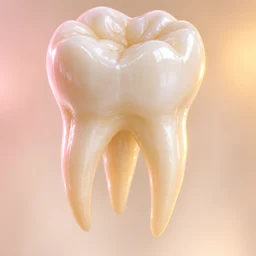 GingivitisGingivitis is inflammation of the gums caused by plaque at the gumline.
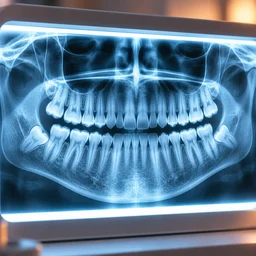 PeriodontitisPeriodontitis is a chronic infection that destroys the ligament and bone holding the teeth.
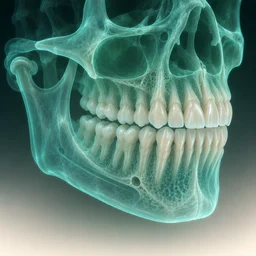 Bone loss around teethBone loss around teeth is the loss of the jawbone that anchors the roots, most often caused by periodontitis.
Signs
Bleeding gumsBleeding gums are the most common early sign of gum disease.Gum painGum pain most often comes from inflamed gums, food or debris trapped under the gum, a periodontal abscess, or brushing too hard. Swollen gumsSwollen gums are inflamed gums.
 Receding gumsGum recession is the gum pulling back from the tooth and exposing the root.
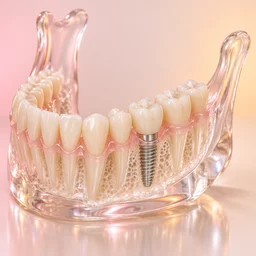 Loose teethAn adult tooth that moves has lost support.Bad breathMost chronic bad breath (halitosis) starts in the mouth: bacteria on the back of the tongue, in gum pockets and under old dental work release sulfur compounds.Tooth sensitivity at the gumlineSharp sensitivity to cold at the gumline usually means an exposed root.
Gums and your health

Signs
- Bleeding when brushing or flossing
- Red, swollen or tender gums
- Persistent bad breath
- Gums pulling away from the teeth
- Loose or shifting teeth
- Pus between teeth and gums
Risk factors
- Smoking
- Diabetes
- Family history
- Age
- Hormonal change, including pregnancy
- Some medications that dry the mouth
What is gum disease?
Gum disease (periodontal disease) is a chronic infection and inflammation of the gums, the ligament and the bone around the teeth. Plaque, a film of bacteria, collects at the gumline every day. Left in place, it hardens into tartar and the body's response to it breaks down the attachment between tooth and gum.
The disease has two broad forms. Gingivitis affects only the gums. Periodontitis reaches the bone.
What are the stages of gum disease?
The 2017 World Workshop of the American Academy of Periodontology and the European Federation of Periodontology set the current system. Periodontitis is staged by severity and grade by speed.
| Stage | What it means |
|---|---|
| Gingivitis | Inflamed gums, no bone loss. Reversible with cleaning and home care. |
| Stage I | Initial periodontitis: 1 to 2 mm of attachment loss. |
| Stage II | Moderate: 3 to 4 mm of attachment loss, no tooth lost to the disease. |
| Stage III | Severe: 5 mm or more, deep pockets, up to 4 teeth lost to the disease. |
| Stage IV | Advanced: 5 or more teeth lost, bite collapse, complex rebuilding. |
Grade A, B or C marks the rate of progression. Smoking and diabetes raise the grade.
How is gum disease treated?
Treatment follows the stage. Gingivitis is treated with a professional cleaning and daily brushing and flossing. Periodontitis starts with scaling and root planing, a deep cleaning of the root surfaces. Pockets that stay deep go to surgery: LANAP laser surgery, flap surgery with bone regeneration, or gum grafts for recession. Lost teeth are replaced with dental implants. Every plan ends in periodontal maintenance every three to four months.
When should you see a periodontist?
See a periodontist for gums that bleed for more than two weeks, pockets of 5 mm or more on a dental chart, receding gums, loose teeth, or a dentist's referral. A periodontist completes three years of residency after dental school and treats the gums, the bone and implants. Find a periodontist in Florida.
Questions
Is gum disease contagious?
The bacteria that cause gum disease pass through saliva, which is why partners often share a pattern. The disease itself depends on each person's response, home care and risk factors such as smoking and diabetes.
Can gum disease be cured?
Gingivitis reverses fully. Periodontitis is controlled, not cured: treatment stops the infection and lost bone can sometimes be regenerated, then maintenance visits every three to four months keep it stable.
Does gum disease hurt?
Usually not until it is advanced. Bleeding without pain is the most common early sign, which is why many people learn about it at a dental exam.
Does insurance cover gum disease treatment?
Most dental plans cover scaling and root planing and periodontal maintenance at a set percentage. Coverage for surgery and implants varies by plan. Ask the office to send a pre-treatment estimate.