
Bleeding gums Gum disease
Bleeding gums are the most common early sign of gum disease. Healthy gums do not bleed when brushed or flossed. Bleeding that lasts more than two weeks of good home care points to gingivitis or periodontitis and needs a dental exam.

Signs
- Pink in the sink after brushing
- Blood on floss
- Bleeding while eating
- Red or puffy gum edges
Risk factors
- Plaque buildup
- Hard brushing
- Smoking, which can hide bleeding
- Pregnancy
- Blood thinners and some medications
Why do my gums bleed when I brush?
Plaque at the gumline inflames the tissue. Inflamed gums carry more small blood vessels near the surface, and brushing breaks them. The bleeding is the body fighting the bacteria. Smokers bleed less because nicotine narrows the vessels, so a smoker with gum disease can see no blood at all.
How do you stop bleeding gums?
- Keep brushing and flossing. Stopping lets plaque build and the bleeding worsen.
- Use a soft or powered brush at a 45-degree angle to the gumline, two minutes, twice a day.
- Clean between every tooth once a day.
- Book a cleaning to remove tartar that a brush cannot.
Bleeding from gingivitis usually stops within one to two weeks. Bleeding that continues signals pockets under the gum that need scaling and root planing.
When are bleeding gums serious?
See a dentist or periodontist for bleeding with loose teeth, receding gums, pus, or a bad taste. See a physician for bleeding with easy bruising, nosebleeds or fatigue, which can signal a blood disorder.
Questions
Should I stop flossing if my gums bleed?
No. Gentle daily flossing is how the bleeding stops. It usually eases within a week or two.
Can a water flosser help bleeding gums?
Yes. Water flossers reduce bleeding and inflammation, and they suit people with implants, bridges or limited hand movement.
Do electric toothbrushes help?
Powered brushes with oscillating heads remove more plaque than manual brushes in most studies, which reduces bleeding.
Sources
Gum disease Read next
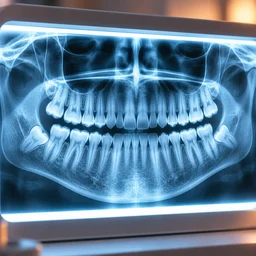 PeriodontitisPeriodontitis is a chronic infection that destroys the ligament and bone holding the teeth.
 Receding gumsGum recession is the gum pulling back from the tooth and exposing the root.
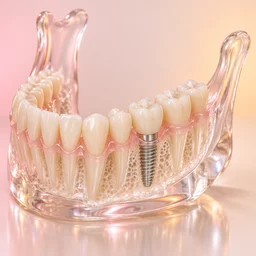 Loose teethAn adult tooth that moves has lost support.Bad breathMost chronic bad breath (halitosis) starts in the mouth: bacteria on the back of the tongue, in gum pockets and under old dental work release sulfur compounds.
 Gum disease and your healthPeriodontitis is a chronic inflammatory disease, and its effects reach beyond the mouth.
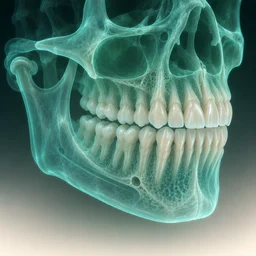 Bone loss around teethBone loss around teeth is the loss of the jawbone that anchors the roots, most often caused by periodontitis.