
Gingivitis Gum disease
Gingivitis is inflammation of the gums caused by plaque at the gumline. Gums turn red, swell and bleed when brushed. It is the first stage of gum disease and the only one that fully reverses: in the classic 1965 Löe study, gums returned to health within about a week of restarting cleaning.
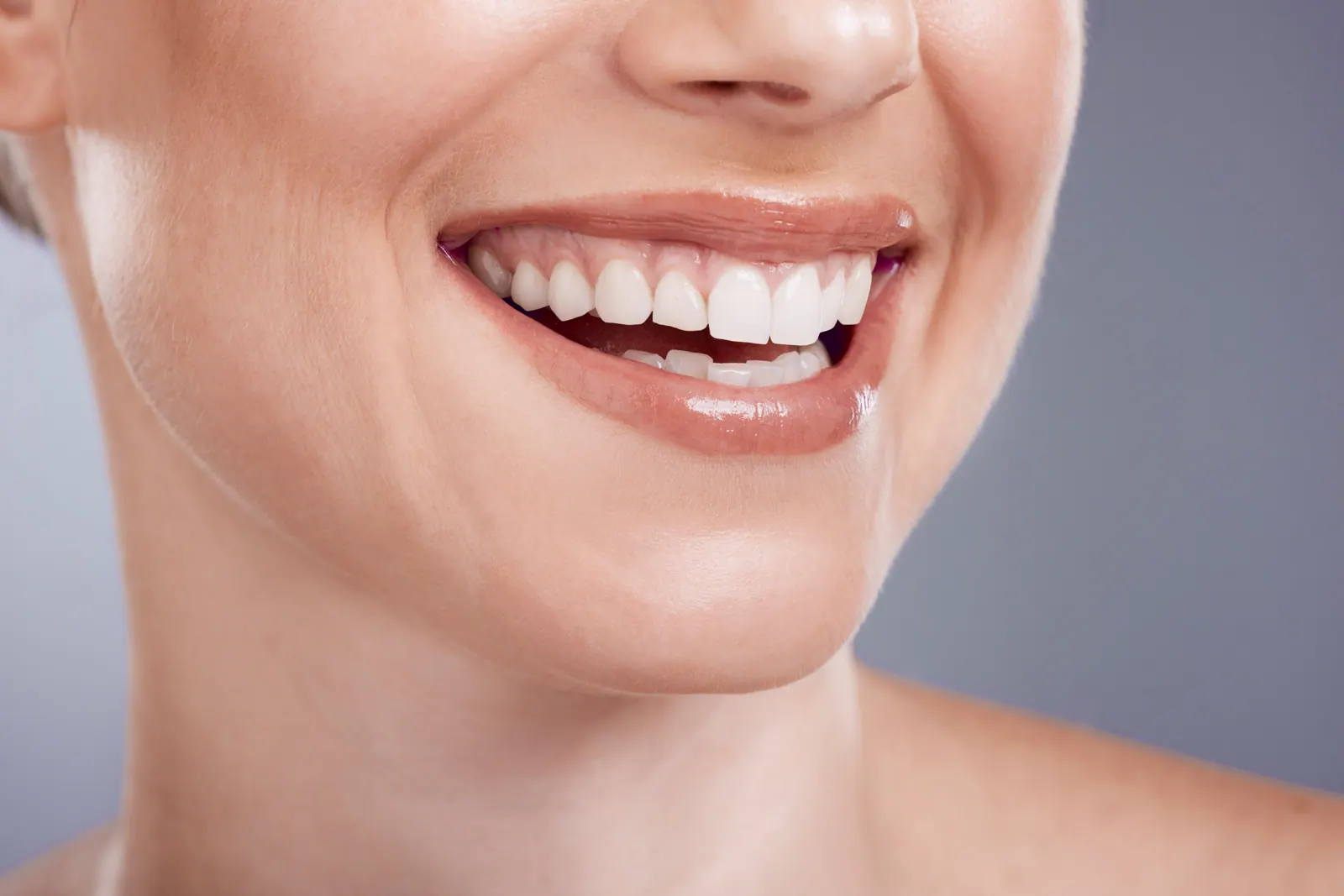
Signs
- Bleeding when brushing or flossing
- Red or dusky gums
- Puffy gum edges
- Bad breath
- Tender gums
Risk factors
- Skipped flossing
- Smoking
- Pregnancy and hormonal change
- Diabetes
- Crowded teeth and old dental work that traps plaque
What causes gingivitis?
Plaque left at the gumline for a few days causes gingivitis. In 1965 Harald Löe asked healthy dental students to stop all cleaning. Every one developed gingivitis within 10 to 21 days, and every one healed within days of starting again. The study proved that plaque, and nothing else, starts gum disease.
How is gingivitis treated?
- A professional cleaning removes plaque and tartar above and just below the gumline.
- Brushing twice a day with a soft or powered brush, angled toward the gumline.
- Cleaning between the teeth every day with floss, picks or a water flosser.
- An antimicrobial rinse for a short period when a dentist advises it.
Bleeding usually settles within one to two weeks of steady care.
When does gingivitis become periodontitis?
Gingivitis becomes periodontitis when the inflammation detaches the gum from the root and the bone starts to resorb. A dental probe then reads pockets of 4 mm or more, and X-rays show bone loss. Not everyone with gingivitis progresses. Smoking, diabetes and genetics decide much of the risk.
Questions
Is it normal for gums to bleed when flossing?
No. Healthy gums do not bleed. Bleeding that lasts more than a week or two of daily flossing is a sign of gingivitis or deeper disease.
Can gingivitis go away on its own?
Only with better cleaning. The plaque that causes it has to be removed every day; without that, inflammation stays and can progress.
Is gingivitis common in pregnancy?
Yes. Hormonal change makes gums react more strongly to plaque. Pregnancy gingivitis is treated with cleaning and settles after delivery.
Sources
Gum disease Read next
 Gum painGum pain most often comes from inflamed gums, food or debris trapped under the gum, a periodontal abscess, or brushing too hard.
 Receding gumsGum recession is the gum pulling back from the tooth and exposing the root.
 Loose teethAn adult tooth that moves has lost support.Bad breathMost chronic bad breath (halitosis) starts in the mouth: bacteria on the back of the tongue, in gum pockets and under old dental work release sulfur compounds.
 Gum disease and your healthPeriodontitis is a chronic inflammatory disease, and its effects reach beyond the mouth.Bone loss around teethBone loss around teeth is the loss of the jawbone that anchors the roots, most often caused by periodontitis.