
Questions Answered
The questions patients ask most about gums, bone, pain and periodontal treatment, each answered on its own page with sources.

Gum disease and symptoms
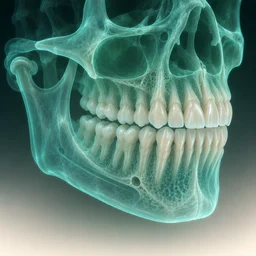 Why do my gums hurt?Gums hurt most often because they are inflamed by plaque (gingivitis), infected in a deep pocket (a periodontal abscess), irritated by trapped food, or worn by hard brushing.
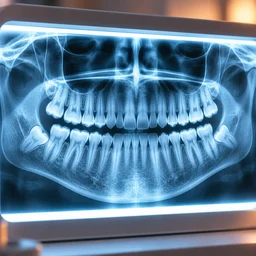 Can gum disease be reversed?Gingivitis, the early stage, reverses completely: gums return to health within days to weeks of removing plaque.Can bone loss around teeth be reversed?Some bone lost to periodontitis can be rebuilt.
 Is gum disease genetic?Genes influence how strongly a person's immune system reacts to gum bacteria, so periodontitis runs in families and some people progress fast even with good care.Does smoking cause gum disease?Smoking is the strongest single risk factor for periodontitis: the CDC puts smokers at twice the risk, and in NHANES III current smokers had about four times the odds.
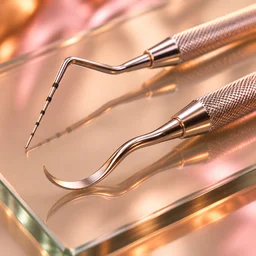 What do gum pocket numbers mean?The numbers called out during a gum exam are pocket depths: how far, in millimeters, a probe slides between the gum and the tooth.
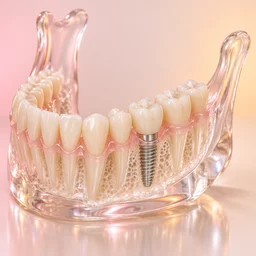 Can gum disease cause tooth loss?Yes. Periodontitis destroys the ligament and bone that hold teeth, and the CDC lists it as a leading cause of tooth loss.What are the warning signs of gum disease?The warning signs of gum disease are red, swollen, tender or bleeding gums, gums pulling away from the teeth, loose or sensitive teeth, pain when chewing, and bad breath that does not go away.
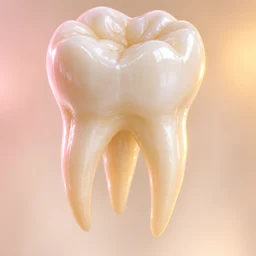 What does stage 1 gum disease look like?Stage 1 gum disease is gingivitis, and it looks like red, swollen gums that bleed easily, often when you brush.When should I be worried about bleeding gums?See a dentist or primary care physician if your gums bleed for two weeks or more.
 Does gingivitis cause bad breath?Yes. Bad breath that lasts after brushing is a symptom of gingivitis and of periodontitis.What causes receding gums?Receding gums are caused by brushing too hard, plaque and tartar buildup, gum disease, injury to the gums, misaligned teeth, smoking or chewing tobacco, and lip or tongue piercings.What is a periodontal abscess?A periodontal abscess is a pocket of pus-filled infection that starts in the gums.
Treatment and surgery
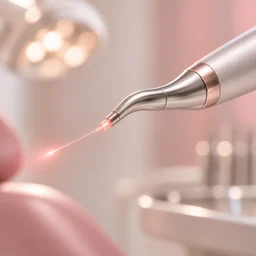 Am I a candidate for LANAP?Good candidates for LANAP have moderate to severe periodontitis with pockets of 5 mm or more that remain after deep cleaning, and want to keep their teeth without cutting and stitches.Does gum surgery hurt?Gum surgery is done under local anesthetic, so the procedure itself should not hurt; many offices add oral or IV sedation.Gum surgery recoveryMost gum surgery heals at the surface in one to two weeks.Is laser gum surgery better?Laser gum surgery is usually more comfortable with faster recovery than scalpel flap surgery: no cutting or stitches with LANAP, less bleeding and swelling.What is the difference between scaling and root planing and a regular cleaning?A regular cleaning removes plaque and tartar near the gumline.How painful is a deep cleaning?A deep cleaning is done with local anesthesia that numbs the gums.
 Can receding gums grow back?No. Receding gums cannot grow back, and recession cannot be reversed.What are the downsides of a gum graft?The main risks of a gum graft are infection, heavy bleeding and graft failure.What can be done instead of a gum graft?The pinhole surgical technique is one option.What is gum flap surgery?Gum flap surgery, also called pocket reduction surgery, treats moderate to advanced periodontitis.What mouthwash helps with gum disease?An antimicrobial mouthwash can help kill the bacteria that cause gum disease.
Periodontists and training
How periodontists work with general dentistsPeriodontists and general dentists share care. How to choose a periodontistChoose a periodontist on five things: board certification by the American Board of Periodontology, the range of treatments offered (deep cleaning, LANAP, grafting, implants), results shown and measured, reviews from patients, and how …What does a periodontist do?A periodontist is a dentist who specializes in preventing, diagnosing and treating gum disease, and in placing dental implants.What is the difference between a dentist and a periodontist?A general dentist provides routine cleanings, fillings, crowns and bridges.How long does it take to become a periodontist?A periodontist completes four years of dental school and then three more years of specialty training in periodontics.Is a periodontist the same as an oral surgeon?No. A periodontist specializes in the gums and the jawbone that supports the teeth.Do I need a periodontist?You may need a periodontist if you have moderate or severe gum disease, with bleeding, swollen or receding gums, loose teeth, bite changes or pain.
Implants and periodontics
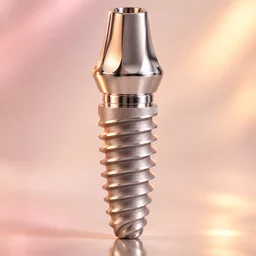 Can you get dental implants if you have gum disease?Not while gum disease is active.What are the early signs of peri-implantitis?Early signs of a problem around an implant are red or tender gums and bleeding when you brush.Can peri-implantitis be cured?Peri-implantitis can often be controlled, but treatment does not always stop it.What is a dental bone graft?A dental bone graft adds material to the jaw to replace lost or thin bone.How long after a bone graft can you get an implant?A bone graft needs at least 3 months to heal before an implant.What are the first signs of a dental implant failing?Signs of a failing or infected implant are an implant that feels loose or wobbly, bleeding or swollen gums around it, and pus around the implant.
Cost, insurance and practical
Does insurance cover gum treatment?Most dental plans cover scaling and root planing and periodontal maintenance as basic services, and gum surgery, including LANAP and grafting, as major services at a lower percentage.How long does a deep cleaning take?A deep cleaning, or scaling and root planing, takes one to two hours.How often should you see a periodontist?It depends on how severe your gum disease is.Does Medicare cover periodontal treatment?In most cases, no. Original Medicare does not cover most dental care, such as cleanings, fillings, extractions, dentures or implants.How can I pay for gum disease treatment?Ask your periodontist about payment plans and what your insurance covers.Is gum disease contagious? Can I kiss my partner?Gum disease itself comes from inflammation, but the bacteria behind it can spread through saliva.