
Modern periodontal techniques Periodontics
Modern periodontics rebuilds as well as removes disease. Laser protocols such as LANAP treat pockets without cutting, regenerative materials regrow bone and attachment, minimally invasive methods cover receding roots, and 3D scans and guide templates plan implants before surgery.

Laser techniques
The LANAP protocol uses a 1064 nm Nd:YAG laser and received FDA clearance for regeneration in 2016. A 2007 human histology study by Yukna found new cementum and new attachment on all six LANAP-treated teeth. Diode and erbium lasers serve soft tissue and surface decontamination. Lasers compared.
Regeneration
- Guided tissue regeneration: a membrane keeps gum tissue out of a bone defect so bone and ligament refill it (Nyman 1982, Gottlow 1986).
- Enamel matrix derivative: proteins applied to the root that support new attachment; FDA approved 1996.
- Bone grafts and growth factors for deep, narrow defects.
Minimally invasive gum grafting
Tunnel techniques and the Pinhole Surgical Technique (Chao, 2012) move or add gum through small openings. Connective tissue grafts remain the most studied method for root coverage (Cochrane review, 2010).
Digital planning
Cone beam CT shows bone in three dimensions. Implant positions are planned in software and transferred with printed surgical guides or dynamic navigation. Periodontists and implants.
Questions
Is every new technique better?
No. Periodontists weigh each method by its evidence for the specific defect. Many older methods remain the standard for certain cases.
Sources
Periodontics Read next
 What is a periodontistA periodontist is a dentist who has completed three additional years of accredited residency in periodontics.
 Training and schoolsPeriodontists train in three-year residencies accredited by the Commission on Dental Accreditation.AssociationsPeriodontists in Florida belong to national, regional and state bodies.
 ResearchThe newest research comes first.Board certificationA board-certified periodontist is a diplomate of the American Board of Periodontology (ABP).
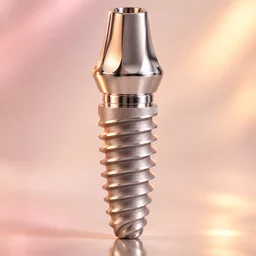 Periodontists and dental implantsPeriodontists place dental implants and manage the bone and gum that hold them.