
Scaling and root planing Periodontal treatment
Scaling and root planing (SRP) is a deep cleaning that removes tartar and bacteria from the tooth roots below the gumline, under local anesthetic. It is the first treatment for periodontitis. Pockets usually shrink by 1 to 2 mm over six to eight weeks, and many need no surgery.

Step by step
- The quadrant is numbed.
- Ultrasonic and hand instruments remove tartar from the roots (scaling).
- The root surface is smoothed so the gum can reattach (planing).
- Some offices add a local antibiotic or laser disinfection.
- Pockets are re-measured at six to eight weeks.
What is the difference between a cleaning and a deep cleaning?
A regular cleaning (prophylaxis) removes plaque and tartar above and just below the gumline on healthy gums. Scaling and root planing reaches the full depth of periodontal pockets, down the root, and needs anesthetic. It treats disease; a regular cleaning prevents it.
Does scaling and root planing hurt?
The area is numb during treatment. Gums can feel tender and teeth sensitive to cold for several days. A warm salt-water rinse and an over-the-counter pain reliever help. Sensitivity eases as the gums heal.
What happens after scaling and root planing?
At the re-check, pockets of 4 mm or less that do not bleed go to maintenance every three to four months. Pockets of 5 mm or more that still bleed are treated with LANAP or osseous surgery.
Questions
How long does a deep cleaning take?
About 45 to 60 minutes per quadrant. Many offices treat two quadrants per visit.
Can I eat after scaling and root planing?
Wait until the numbness wears off. Eat soft foods for a day or two and avoid very hot or spicy food.
Will my teeth feel loose afterward?
Teeth can feel slightly looser as swollen gums shrink. They usually firm as inflammation settles.
Sources
Scaling and root planing In Florida
Practices whose own website has a page for this treatment. Each name opens the practice record.
Southeast
Tampa Bay
Southwest
Central
North
Panhandle
Treatments Read next
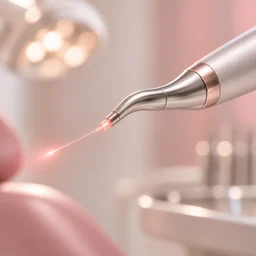 Laser gum surgeryLaser gum surgery uses light energy in place of a scalpel to remove diseased gum tissue, reduce bacteria and reshape gums.
 Gum graftingA gum graft places new tissue over an exposed root or thin gum to stop recession, cover the root and reduce sensitivity.
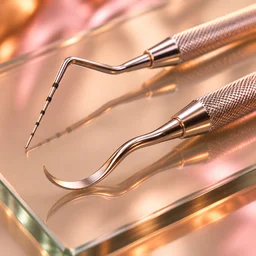 Pinhole gum rejuvenationThe Pinhole Surgical Technique treats receding gums through a small opening in the gum.Osseous surgeryOsseous surgery, also called pocket reduction or flap surgery, folds back the gum to clean the roots directly and reshape or regenerate the bone around them.
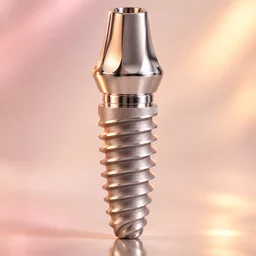 Dental implantsA dental implant is a titanium or zirconia post placed in the jawbone to replace a tooth root.Bone graftingA dental bone graft adds bone or a bone substitute where the jaw is too thin or short for an implant, or fills a socket after extraction to keep its shape.