
Bad breath Gum disease
Most chronic bad breath (halitosis) starts in the mouth: bacteria on the back of the tongue, in gum pockets and under old dental work release sulfur compounds. Treating gum disease, cleaning the tongue and correcting dry mouth resolve most cases.

Signs
- Breath others notice
- A bad taste
- White or yellow coating on the tongue
- Dry mouth
Risk factors
- Periodontitis
- Dry mouth from medications
- Smoking
- Food trapped under bridges or implants
Is bad breath a sign of gum disease?
Persistent bad breath with bleeding or receding gums is a common sign of periodontitis. Bacteria in deep pockets produce sulfur compounds that brushing cannot reach. Treating the pockets removes the source.
How is chronic bad breath treated?
- Clean the tongue daily with a scraper, back to front.
- Treat gum pockets with scaling and root planing.
- Replace leaking fillings and ill-fitting crowns.
- Treat dry mouth: water, sugar-free gum, and a review of medications with a physician.
Questions
Does mouthwash cure bad breath?
Mouthwash masks odor for a short time. Removing the bacteria from the tongue and gum pockets is what stops it.
Sources
Gum disease Read next
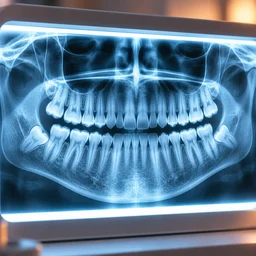 Bleeding gumsBleeding gums are the most common early sign of gum disease.
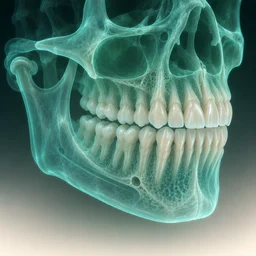 Gum painGum pain most often comes from inflamed gums, food or debris trapped under the gum, a periodontal abscess, or brushing too hard.
 Receding gumsGum recession is the gum pulling back from the tooth and exposing the root.
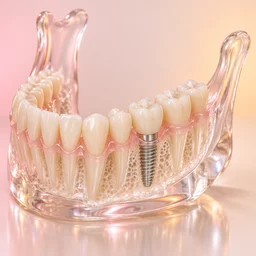 Loose teethAn adult tooth that moves has lost support.
 Gum disease and your healthPeriodontitis is a chronic inflammatory disease, and its effects reach beyond the mouth.Bone loss around teethBone loss around teeth is the loss of the jawbone that anchors the roots, most often caused by periodontitis.