
Bone loss around teeth Gum disease
Bone loss around teeth is the loss of the jawbone that anchors the roots, most often caused by periodontitis. It shows on X-rays and as deeper pockets, and it rarely hurts until teeth loosen. Treatment stops the infection; some defects can be rebuilt with regenerative surgery or the LANAP laser protocol.

Signs
- Deeper pocket readings
- Receding gums
- Teeth that drift or loosen
- New gaps between teeth
- A changed bite
Risk factors
- Smoking
- Diabetes
- Family history
- Missed maintenance after treatment
How fast does bone loss progress?
It varies widely. In a 1986 study of Sri Lankan tea laborers with no dental care, 8% progressed rapidly and lost every tooth by age 45, 81% progressed moderately and 11% did not progress beyond gingivitis. The 2017 grade (A, B, C) records this speed for each patient.
How is bone loss treated?
First the infection: deep cleaning. Then deep sites: LANAP or regenerative surgery. Where a tooth is lost, bone grafting rebuilds the ridge for an implant. Can bone loss be reversed?
Questions
Does bone loss around teeth hurt?
Usually not. It is often found on X-rays before any symptom.
Sources
Gum disease Read next
 GingivitisGingivitis is inflammation of the gums caused by plaque at the gumline.
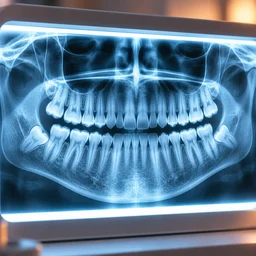 Bleeding gumsBleeding gums are the most common early sign of gum disease.
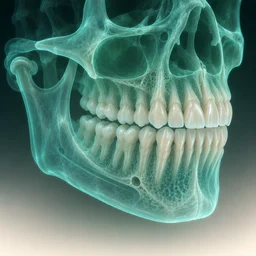 Gum painGum pain most often comes from inflamed gums, food or debris trapped under the gum, a periodontal abscess, or brushing too hard.
 Receding gumsGum recession is the gum pulling back from the tooth and exposing the root.Bad breathMost chronic bad breath (halitosis) starts in the mouth: bacteria on the back of the tongue, in gum pockets and under old dental work release sulfur compounds.
 Gum disease and your healthPeriodontitis is a chronic inflammatory disease, and its effects reach beyond the mouth.