
Why do my gums hurt? Question
Gums hurt most often because they are inflamed by plaque (gingivitis), infected in a deep pocket (a periodontal abscess), irritated by trapped food, or worn by hard brushing. Throbbing pain with swelling or pus is an abscess and needs a dentist or periodontist the same day.

Why do my gums hurt in one spot?
Pain at one tooth usually comes from something local: a popcorn hull or seed pushed under the gum, a periodontal abscess in a deep pocket, a cracked tooth, or an ill-fitting crown. Floss gently to free debris. Pain that lasts more than two days, or comes with a swollen bump, needs an exam. Gum pain causes and treatment.
Why do my gums hurt all over?
Soreness across the mouth points to gingivitis, a new toothbrush or whitening product, hormonal change, or a mouth infection. Gingivitis also bleeds. It settles within one to two weeks of a cleaning and steady brushing and flossing.
What can I do at home?
- Rinse with warm salt water.
- Brush with a soft brush, gently at the gumline.
- Floss carefully to remove trapped food.
- Use an over-the-counter pain reliever as the label directs.
Questions
Can stress make my gums hurt?
Stress is linked with clenching, which loads the teeth and gums, and with worse gum inflammation. It rarely causes pain on its own.
Why do my gums hurt after flossing?
New flossing can bruise inflamed gums for a few days. Pain that persists, or a sharp spot, can mean a cut or debris under the gum.
Sources
Gum disease and symptoms Read next
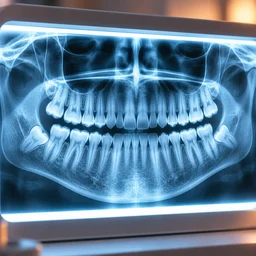 Can gum disease be reversed?Gingivitis, the early stage, reverses completely: gums return to health within days to weeks of removing plaque.
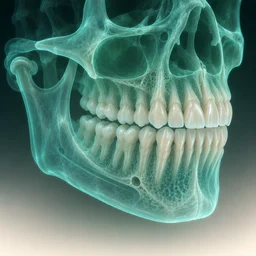 Can bone loss around teeth be reversed?Some bone lost to periodontitis can be rebuilt.
 Is gum disease genetic?Genes influence how strongly a person's immune system reacts to gum bacteria, so periodontitis runs in families and some people progress fast even with good care.Does smoking cause gum disease?Smoking is the strongest single risk factor for periodontitis: the CDC puts smokers at twice the risk, and in NHANES III current smokers had about four times the odds.
 What do gum pocket numbers mean?The numbers called out during a gum exam are pocket depths: how far, in millimeters, a probe slides between the gum and the tooth.
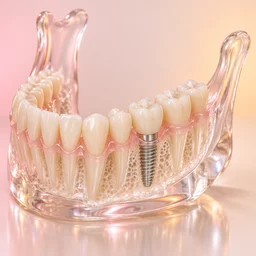 Can gum disease cause tooth loss?Yes. Periodontitis destroys the ligament and bone that hold teeth, and the CDC lists it as a leading cause of tooth loss.