
Dental implants Periodontal treatment
A dental implant is a titanium or zirconia post placed in the jawbone to replace a tooth root. Periodontists are trained in implant surgery during residency and manage the bone and gum around the implant: grafting, sinus lifts, soft tissue and peri-implantitis. A typical single implant heals for three to six months before the crown.

Step by step
- 3D CBCT scan and plan.
- Extraction, often with a socket graft.
- Implant placement, sometimes the same day as extraction.
- Healing and osseointegration (bone bonding).
- Abutment and crown by the restoring dentist.
- Maintenance visits.
Why see a periodontist for dental implants?
Periodontists spend three years in residency on the gums and bone, including implant surgery. Most implant problems start in the bone and gum: too little bone, thin gum, or infection. A periodontist plans for those, places the implant, and works with the patient's dentist, who makes the crown.
What is a full-arch implant?
Full-arch treatment replaces all the teeth in a jaw with a fixed bridge on four to six implants. Brand names such as All-on-4 describe one approach. A periodontist checks bone volume, gum health and bite before choosing the number and angle of implants. Bone grafting or a sinus lift may come first.
How do you keep implants healthy?
Implants do not decay, but the gum and bone around them can get infected: peri-implantitis. Patients with a history of periodontitis carry a higher risk. Daily cleaning and maintenance visits protect the implant. For the full statewide directory of implant doctors, see dentalimplant.now.
More on dental implants
- Dental implant process and timeline: The dental implant process runs from a consultation and 3D CBCT scan, through implant surgery and bone healing, to the abutment and final crown.
- Immediate implants and same-day teeth: Immediate implants go into the socket on the day a tooth is removed, and immediate loading attaches a tooth to an implant within a week of surgery.
- Full-arch implants and implant dentures: Full-arch implants replace every tooth in a jaw with either a bridge fixed to implants or a denture that snaps onto them.
- Zirconia vs titanium implants: Titanium and zirconia implants both bond to the jawbone; titanium has the longer research record and zirconia is the ceramic option.
- Who can get dental implants: Most adults with healthy gums, enough jawbone and controlled medical conditions can get dental implants.
- Guided implant surgery: Guided implant surgery plans each implant on a 3D CBCT scan and transfers the plan to the mouth with a printed guide, live navigation or a robot arm.
- How long dental implants last: Dental implants usually last decades when the gum and bone around them stay healthy.
- Implant vs bridge vs denture: Dental implants, bridges and dentures all replace missing teeth; they differ in surgery, effect on the neighboring teeth, upkeep and time to finish.
- Recovery after dental implant surgery: Recovery after dental implant surgery takes about a week for the gum and several months for the bone.
- Mini dental implants: Mini dental implants are narrow implants, usually in one piece, used mostly to hold a denture in place when the jaw is too thin for standard implants.
Questions
How long do dental implants last?
Implants that heal and are maintained commonly last decades. The crown on top may need replacement over time.
Can I get implants if I have gum disease?
Gum disease is treated first. Implants then do well, with maintenance visits to watch for peri-implantitis.
Is implant surgery painful?
Placement is done under local anesthetic, often with sedation. Most patients use over-the-counter pain relievers for a few days.
Sources
Dental implants In Florida
Practices whose own website has a page for this treatment. Each name opens the practice record.
Southeast
Tampa Bay
Southwest
 Dr. Michael PawlusSarasota · 5.0 stars, 54 reviewsFeaturedRJRyan J Donovan DMD, MS, PA Periodontics And Dental ImplantsFort Myers · 4.9 stars, 145 reviewsSPSarasota Periodontal AssociatesVenice · 4.9 stars, 270 reviewsNPNaples PeriodontistNaples · 5.0 stars, 691 reviewsPPParadise PeriodonticsSarasota · 4.9 stars, 265 reviewsNDNaples Dental and Wellness CenterNaples · 5.0 stars, 577 reviewsVPVenice Periodontics and Implant DentistryVenice · 4.9 stars, 244 reviewsSPSarasota Periodontal AssociatesSarasota · 4.9 stars, 477 reviewsFDFlorida Dental Implant InstituteNaples · 5.0 stars, 124 reviewsTMTyler M. Blackenburg, DMDNorth Port · 5.0 stars, 772 reviewsBPBonita Periodontics & ImplantsBonita Springs · 4.9 stars, 353 reviewsTPTaschner PeriodonticsFort Myers · 4.9 stars, 172 reviewsRCRyan C. Taylor Periodontics & Dental ImplantsSarasota · 4.8 stars, 538 reviewsMCThe McKenzie CenterPort Charlotte · 4.9 stars, 167 reviewsPIPeriodontics and Implant Center of NaplesNaples · 5.0 stars, 144 reviewsPIPeriodontal & Implant SpecialistsFort Myers · 4.9 stars, 115 reviewsRPRusso Periodontics: John Russo, DDS, MHSSarasota · 5.0 stars, 43 reviewsPCParadise Coast PeriodonticsNaples · 5.0 stars, 80 reviewsSPSarasota Periodontal AssociatesLakewood Ranch · 4.8 stars, 200 reviewsPPerioHealthPunta Gorda · 5.0 stars, 143 reviewsDMDental Medicine CenterCape Coral · 4.9 stars, 120 reviewsONOlde Naples PeriodonticsNaples · 4.9 stars, 49 reviewsGMDr. George M. Kazakos, DMDFort Myers · 4.9 stars, 45 reviewsPCParadise Coast Periodontics, Scott F. Johnson DMD, MS, LLCBonita Springs · 5.0 stars, 41 reviewsVPViruet Periodontics and Dental ImplantsFort Myers · 4.9 stars, 55 reviewsPPerioHealthNaples · 5.0 stars, 12 reviewsSISpecialists In PeriodonticsCape Coral · 2.6 stars, 9 reviewsGPGregory PetteBonita Springs · 5.0 stars, 1 reviewsVKDr. Victor Khlevnoy, DDSSarasota
Central
North
Panhandle
Treatments Read next
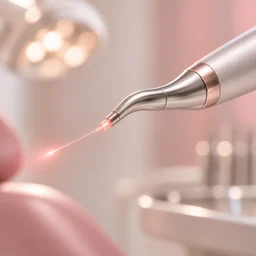 LANAP laser gum surgeryLANAP (Laser-Assisted New Attachment Procedure) treats periodontitis with the PerioLase MVP-7, a 1064 nm Nd:YAG laser made by Millennium Dental Technologies.Laser gum surgeryLaser gum surgery uses light energy in place of a scalpel to remove diseased gum tissue, reduce bacteria and reshape gums.
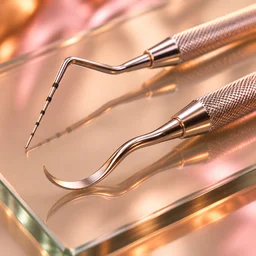 Scaling and root planingScaling and root planing (SRP) is a deep cleaning that removes tartar and bacteria from the tooth roots below the gumline, under local anesthetic.
 Gum graftingA gum graft places new tissue over an exposed root or thin gum to stop recession, cover the root and reduce sensitivity.Pinhole gum rejuvenationThe Pinhole Surgical Technique treats receding gums through a small opening in the gum.Osseous surgeryOsseous surgery, also called pocket reduction or flap surgery, folds back the gum to clean the roots directly and reshape or regenerate the bone around them.