
Does smoking cause gum disease? Question
Smoking is the strongest single risk factor for periodontitis: the CDC puts smokers at twice the risk, and in NHANES III current smokers had about four times the odds. It narrows blood vessels, which hides the bleeding that warns of disease, weakens the immune response and slows healing after treatment. Smokers lose more bone and more teeth, and implants fail more often. Risk falls after quitting.

Why don't a smoker's gums bleed?
Nicotine narrows the small vessels in the gums. Disease advances without the bleeding that would prompt a visit, so smokers often present with deeper pockets.
What about vaping?
Nicotine from vaping has the same effect on blood flow. Studies on long-term gum effects of vaping are still young. Periodontists advise avoiding nicotine before and after surgery.
Questions
Should I quit before gum surgery?
Yes. Stopping before and after surgery improves healing and results.
Sources
Gum disease and symptoms Read next
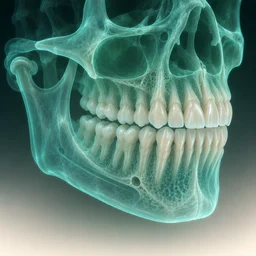 Why do my gums hurt?Gums hurt most often because they are inflamed by plaque (gingivitis), infected in a deep pocket (a periodontal abscess), irritated by trapped food, or worn by hard brushing.
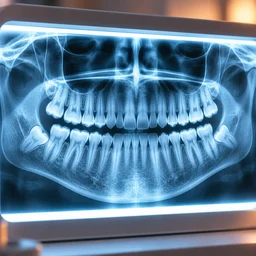 Can gum disease be reversed?Gingivitis, the early stage, reverses completely: gums return to health within days to weeks of removing plaque.Can bone loss around teeth be reversed?Some bone lost to periodontitis can be rebuilt.
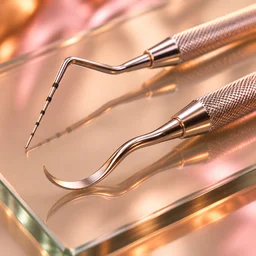 What do gum pocket numbers mean?The numbers called out during a gum exam are pocket depths: how far, in millimeters, a probe slides between the gum and the tooth.
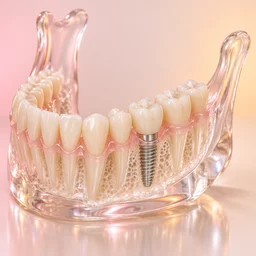 Can gum disease cause tooth loss?Yes. Periodontitis destroys the ligament and bone that hold teeth, and the CDC lists it as a leading cause of tooth loss.What are the warning signs of gum disease?The warning signs of gum disease are red, swollen, tender or bleeding gums, gums pulling away from the teeth, loose or sensitive teeth, pain when chewing, and bad breath that does not go away.