
What do gum pocket numbers mean? Question
The numbers called out during a gum exam are pocket depths: how far, in millimeters, a probe slides between the gum and the tooth. 1 to 3 mm without bleeding is healthy. 4 mm or more is a periodontal pocket, the space gum disease creates as the gum detaches, and calls for treatment beyond a regular cleaning.
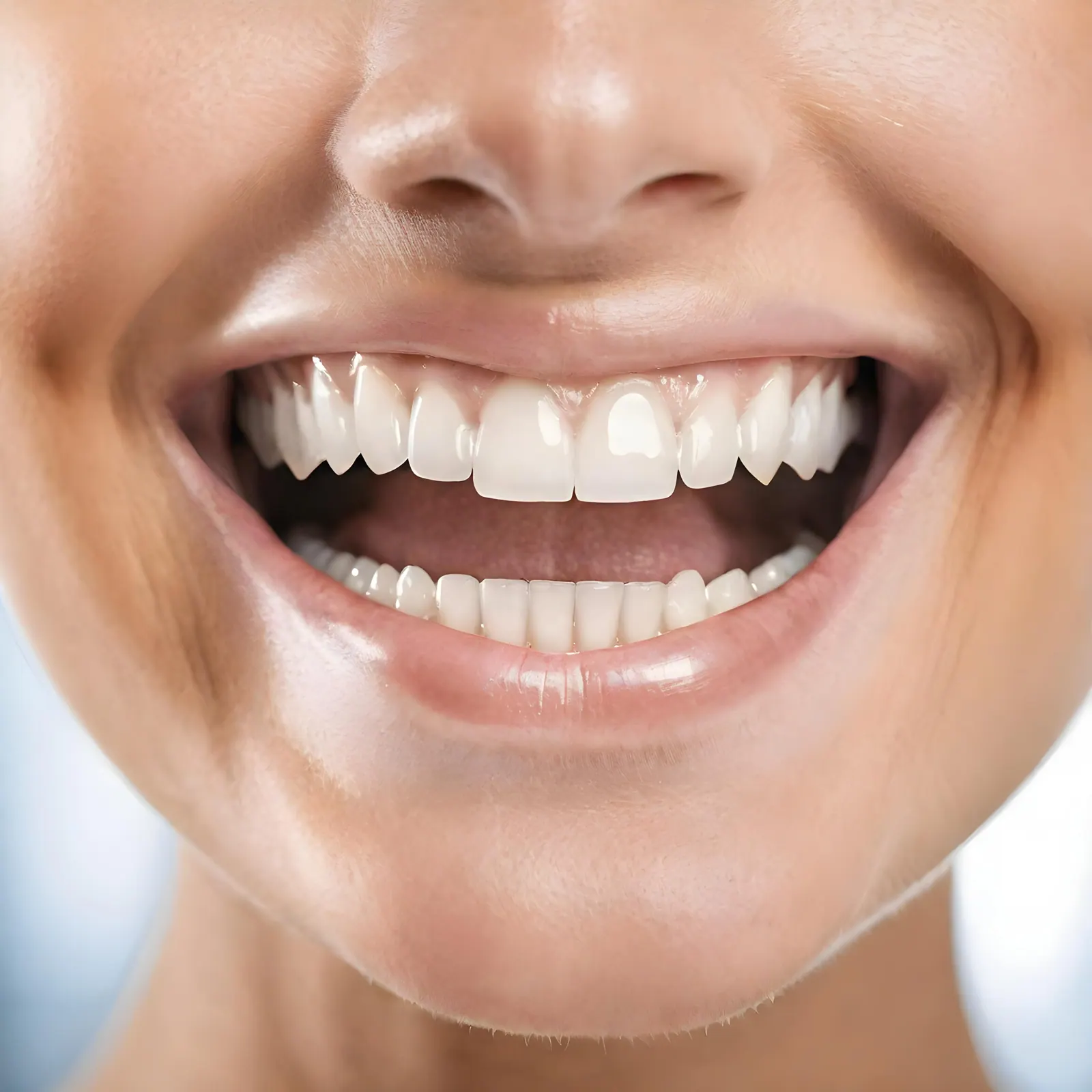
What does each number mean?
| Depth | Meaning | Usual next step |
|---|---|---|
| 1 to 3 mm | Healthy if no bleeding | Regular cleanings |
| 4 mm | Periodontal pocket, often with bleeding | Cleaning or deep cleaning, recheck |
| 5 to 6 mm | Deeper pocket | Scaling and root planing |
| 7 mm + | Advanced periodontitis | Deep cleaning, then LANAP or surgery |
What else is measured?
Bleeding on probing, recession, attachment loss (pocket depth plus recession), mobility and furcation (bone loss between the roots of molars). Together with X-rays they set the stage and grade.
Questions
Can pockets get smaller?
Yes. After treatment inflamed gums tighten and pockets usually shrink by 1 to 2 mm, more after surgery.
Sources
Gum disease and symptoms Read next
 Why do my gums hurt?Gums hurt most often because they are inflamed by plaque (gingivitis), infected in a deep pocket (a periodontal abscess), irritated by trapped food, or worn by hard brushing.
 Can gum disease be reversed?Gingivitis, the early stage, reverses completely: gums return to health within days to weeks of removing plaque.Can bone loss around teeth be reversed?Some bone lost to periodontitis can be rebuilt.
 Is gum disease genetic?Genes influence how strongly a person's immune system reacts to gum bacteria, so periodontitis runs in families and some people progress fast even with good care.Does smoking cause gum disease?Smoking is the strongest single risk factor for periodontitis: the CDC puts smokers at twice the risk, and in NHANES III current smokers had about four times the odds.
 Can gum disease cause tooth loss?Yes. Periodontitis destroys the ligament and bone that hold teeth, and the CDC lists it as a leading cause of tooth loss.